


Truck Leasing
Full-service leasing with Penske – let us become part of your transportation team
At Penske, we deliver innovative transportation services that get you where you need to go. With full-service leasing options, including box truck leasing for smaller loads and semi-truck leasing to handle your biggest needs, we have you covered regardless of cargo size. Plus, partnering with us means you can reduce repair, maintenance, replacement and staffing costs while leveraging the services of a professional transportation company.
Looking for more reasons to say “yes”? We remove the hidden costs of ownership, ensure your fleet stays up to date, and provide unmatched commercial truck leasing services. And with comprehensive fleet maintenance solutions, fuel management programs and easy-to-access collision repair locations, we handle the hassle so you can focus on your business.
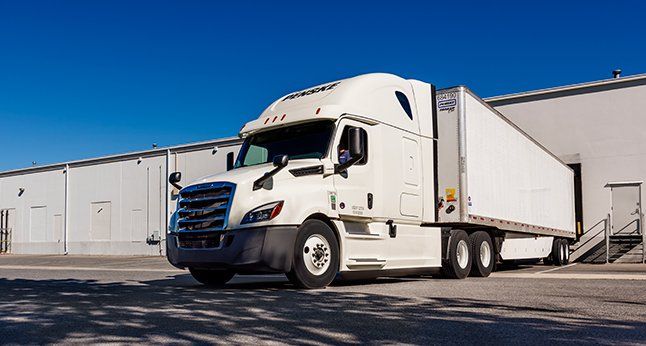
Leasing Benefits
Learn some of the many reasons to choose a full-service lease from Penske including removing the hidden costs of buying and reducing maintenance and repair costs.
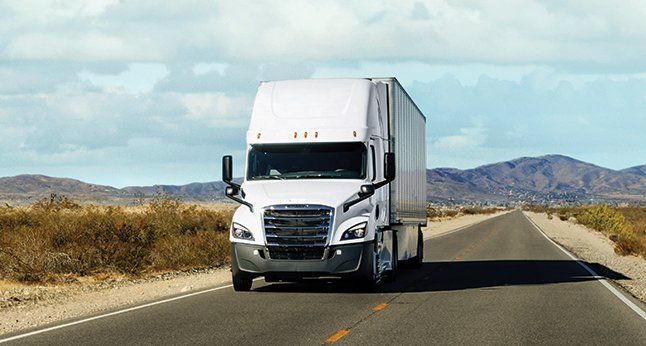
Leasing Services
A full-service lease with Penske is a smart alternative to reduce repair, maintenance, replacement and staffing costs and leverage the services of a professional transportation company.
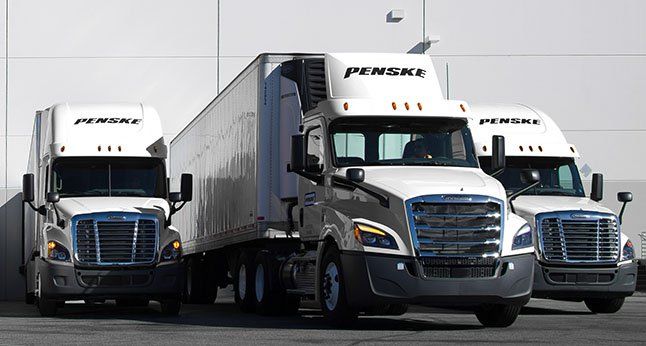
Vehicle Options
Penske is your one-stop destination for reliable, efficient, and versatile truck leasing options, custom spec’d to meet the unique needs of your business. Whether you’re looking for light-duty, medium-duty or heavy-duty vehicles, we have the right solution for your business.