


Summary
- Meal planning helps truck drivers avoid fast food and supports better energy and well-being.
- With a few basic tools and groceries, drivers can prepare simple, balanced meals that fit their schedule.
- A one-week meal plan makes it easier to stay consistent and control portions.
- Healthier eating does not mean giving up treats. Drivers can still enjoy their favorite foods in moderation.
Take Control of Your Meals and Your Health
The traditional “truckers’ diet” is anything but kind to professional drivers. Over-the-road dining options typically begin and end with truck stops, diners and fast-food joints, where healthy options are hard to find. Eat too many high-fat, high-calorie meals, and it could lead to a host of health problems, including obesity and diabetes.
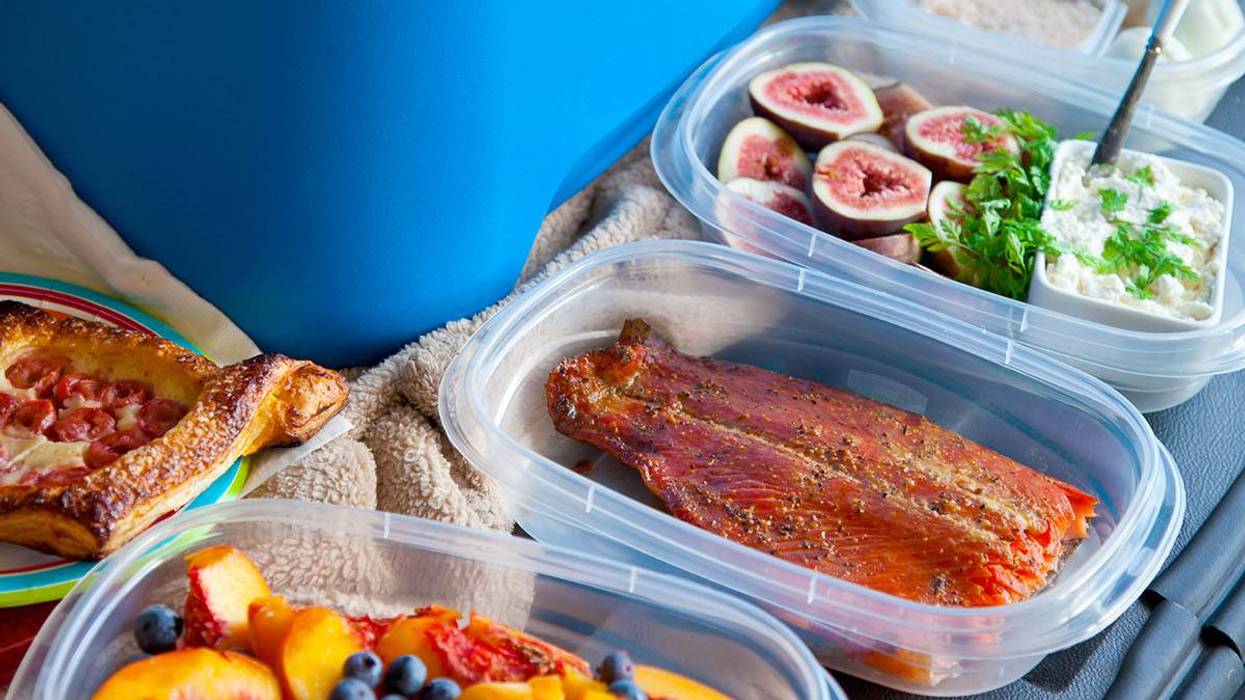
That’s why many drivers today are taking control. They’re prepping a week’s worth of meals in advance and bringing them along for the ride. It takes just a few basic cooking and storage items to make it happen, and doing so can help drivers lose weight and avoid the common health risks associated with long hours on the road.
Let’s look at why meal planning is important, how to get started, and what a one-week meal plan for truck drivers might look like.
Why Are Truck Drivers Planning Their Own Meals Today?
The biggest reason is health-related. About two-thirds of long-haul truck drivers are overweight, and they’re twice as likely to have diabetes or high cholesterol, according to the Centers for Disease Control and Prevention. When drivers plan their own meals, they can:
- Prevent weight gain and digestive issues by choosing foods rich in protein, fiber and other nutrients that are easier to digest and can help drivers feel fuller longer.
- Boost energy levels by loading up on bananas, berries, and leafy green vegetables and cutting back on sugar-filled meals that can make drivers sleepy 30 minutes later.
- Save time and money by eliminating the time spent searching for the “best” place to eat and not having to pay restaurant prices for meals.
- Keep portions under control. When drivers prepare their own meals, they have the final say over how much food they eat.
Choosing foods like salmon, eggs, berries and even dark chocolate can also help drivers stay more focused on the road.
Carry the Right Meal Prep Equipment in Your Rig
A few easy kitchen gadgets can help make meal planning and cooking easier. A small, 12-volt fridge and freezer is ideal for storing meals and ingredients at the right temperature. A portable electric skillet and frying pan are essential, too. Some drivers also pack a slow cooker to make soup or stews.
Drivers should make sure their trucks are equipped with an inverter to power their electronics. Many heavy-duty tractors from Penske Truck Leasing, including tandem-axle sleeper tractors, come equipped with power inverters and 120-volt outlets for small appliances.
Other must-haves include a cutting board, utensils and food storage containers.
Truck Driver Meal Planning Shopping List
Creating an affordable on-the-go healthy eating plan begins at the grocery store. Start by choosing ingredients that can be used in multiple meals throughout the week. A few examples:
- Brown rice or pinto beans can serve as a base for bowls and wraps. They’re also a great side dish for lunch or dinner.
- Versatile veggies like onions, spinach, bell peppers and tomatoes can spice up an omelet, spruce up a salad, or be eaten as a snack.
- Eggs can be hard-boiled and eaten as a mid-day treat, sliced on a salad, or scrambled for breakfast.
- A loaf of whole-grain bread can last the whole week; it’s more nutritious than white bread.
Consider getting a box, bag or head of lettuce for salads, along with items like yogurt and cottage cheese. Frozen veggies and fruits are good additions, too. They’ll last for a long time in the mini freezer and have the same nutritional value as fresh fruits and veggies.
Seven-Day Healthy Meal Plan for Truck Drivers
Once drivers return from the grocery store, it’s time to start building their meal plan. Here’s what a week’s worth of meals could look like. And while some require cooking, others are no-bake, so drivers can make them even if they can’t fit a fridge or skillet in their truck.
Day 1: Monday
Breakfast: Hard-boiled eggs with
whole-wheat bread
Lunch: Veggie hummus wrap with
roasted veggies
Snack: Dried fruit
Dinner: Stuffed peppers
Day 2: Tuesday
Breakfast: Oatmeal with nut butter
and banana slices
Lunch: Turkey burger in a lettuce wrap
with tomato and pickle
Snack: Popcorn (unseasoned,
light on butter)
Dinner: Turkey meatballs with
whole-wheat pasta
Day 3: Wednesday
Breakfast: Greek yogurt with
berries and granola
Lunch: Grilled chicken salad
with a light vinaigrette dressing
Snack: Mixed nuts (low sodium)
Dinner: Salmon with steamed broccoli
and sweet potatoes
Day 4: Thursday
Breakfast: Breakfast burrito with eggs, beans, cheese and salsa
Lunch: Protein bowl with ground turkey, brown rice and veggies
Snack: Low-fat string cheese
Dinner: Lentil soup with whole-wheat bread
Day 5: Friday
Breakfast: Protein smoothie with
bananas and frozen berries
Lunch: Jar salad with chickpeas,
cucumber, olive oil and lemon juice
Snack: Apple slices
Dinner: Beef and white bean chili
Day 6: Saturday
Breakfast: Omelet with any leftover veggies
Lunch: Tuna salad sandwich and carrots
Snack: Trail mix (low sodium)
Dinner: Teriyaki chicken bowl with
steamed rice
Day 7: Sunday
Breakfast: Egg bake with veggies, cheese
and turkey sausage
Lunch: Peanut butter and banana wrap
Snack: Sunflower seeds (low sodium)
Dinner: Beef and veggie stir fry with
low-sodium soy sauce
It’s OK for Drivers To Treat Themselves
Just because drivers eat healthier on the road doesn’t mean they can’t have a few “cheat” days. Desserts such as ice cream, ice pops and frozen strawberries are smart options.
It’s OK to go out to eat once or twice a week, too. Doing so healthfully means choosing grilled or roasted chicken sandwiches at the truck stop or fast-food restaurant, avoiding greasy foods like fries or onion rings, or choosing items from the fresh foods section of the truck stop shelves.
Create a Personalized Meal Plan
Prepping meals not only brings health benefits to truck drivers. It also lets them eat on their schedule and create a nutrition plan that works for them.
Want some more motivation? Try one of these 5 ways to eat heart-healthy.